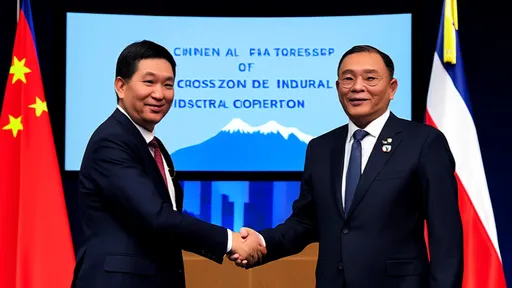
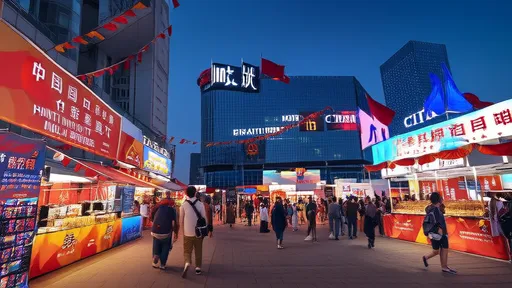
China's consumer market is experiencing a remarkable transformation as the government's "Shopping in China" campaign converges with the China International Import Expo, creating unprecedented momentum in both goods and services consumption. This strategic alignment represents a sophisticated approach to economic revitalization that goes beyond traditional stimulus measures, weaving together international trade with domestic consumption in a way that benefits both local consumers and global businesses.
The "Shopping in China" initiative, launched as part of broader efforts to boost domestic demand, has evolved into a comprehensive platform that showcases the diversity and quality of products available in the Chinese market. What began as a simple promotional campaign has matured into a sophisticated ecosystem connecting consumers with both domestic and international brands. The timing of this year's campaign, deliberately synchronized with the Import Expo, demonstrates the government's strategic thinking about how to maximize the impact of these complementary events.
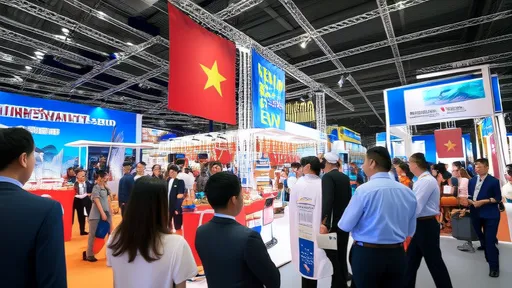
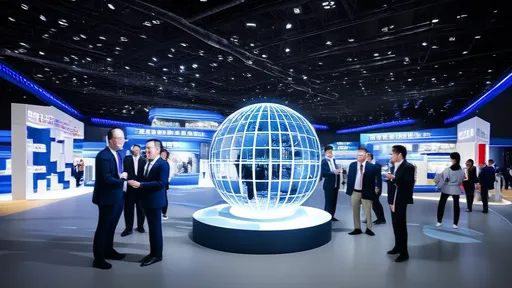
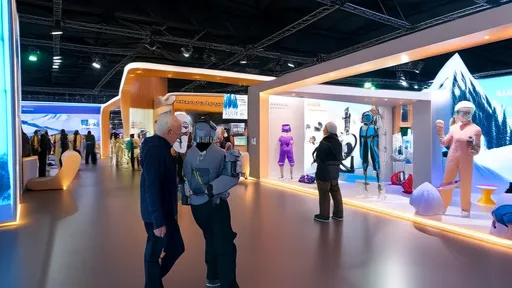
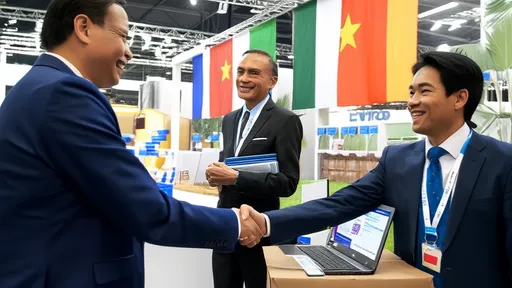
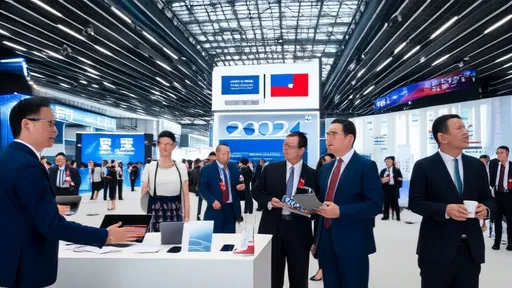
Shanghai's bustling exhibition centers have become the epicenter of this consumer revolution, with the Import Expo serving as both a showcase and catalyst for new retail trends. Walking through the expansive halls, one can feel the palpable energy as international exhibitors present their latest offerings to Chinese consumers and business buyers alike. The atmosphere is electric with possibility, as brands from every corner of the globe compete for attention in what has become the world's most dynamic consumer market.
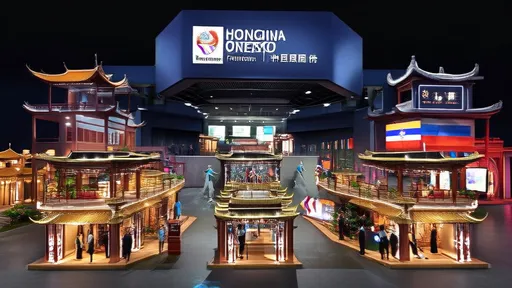
The integration of digital platforms has been crucial to amplifying the reach of both events. E-commerce giants like Alibaba and JD.com have created virtual pavilions that extend the life of the physical exhibitions, allowing consumers across China to participate in the shopping festival long after the exhibition halls have closed. This digital extension has proven particularly valuable for reaching consumers in lower-tier cities and rural areas, who might otherwise have limited access to international products.
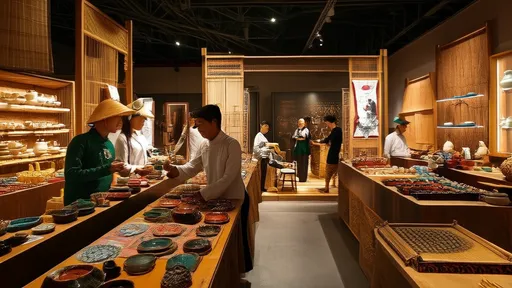
Consumer behavior during this period reveals fascinating insights about the evolving Chinese market. Rather than focusing solely on luxury goods or basic necessities, shoppers are demonstrating a growing appetite for specialized products that enhance quality of life. Everything from organic foods from New Zealand to precision German engineering tools to Italian artisanal crafts are finding enthusiastic buyers. This sophistication in consumer preferences signals a market that is maturing in its tastes and becoming more discerning in its purchasing decisions.
Service consumption has emerged as an equally important component of this economic activation. Beyond physical goods, Chinese consumers are increasingly investing in experiences and services that reflect their aspirations for better living. Educational services, healthcare products, tourism packages, and cultural experiences are all seeing significant growth during this period. The convergence of goods and services in consumer spending patterns represents a fundamental shift in how Chinese people conceptualize and actualize their consumption.
International brands participating in the Import Expo are adapting their strategies to align with Chinese consumer values that increasingly prioritize sustainability and social responsibility. Companies are highlighting their environmental credentials, ethical sourcing practices, and community engagement initiatives alongside product features and price points. This alignment with Chinese consumers' growing consciousness about global issues represents a significant evolution in how international brands approach this market.
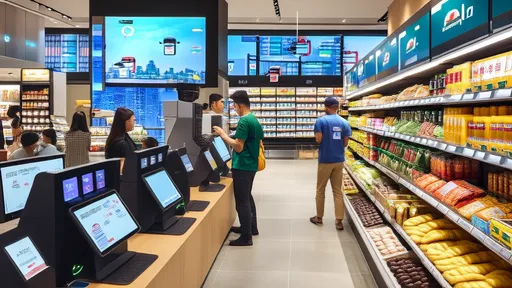
The economic impact of this coordinated approach is already becoming apparent. Retail sales data from the period shows robust growth across multiple categories, with particular strength in imported goods and premium services. Industry analysts note that the synergistic effect of combining the shopping festival with the Import Expo creates a multiplier effect that benefits the entire retail ecosystem, from manufacturers and distributors to logistics providers and retail staff.
Small and medium enterprises are finding unique opportunities within this framework. While major international corporations naturally draw significant attention at the Import Expo, the shopping campaign has created channels for smaller brands to reach Chinese consumers. Cross-border e-commerce platforms have been particularly instrumental in this democratization of access, allowing niche products from emerging markets to find audiences in China without the traditional barriers of market entry.
Government policies have played a crucial enabling role in facilitating this consumer activation. Streamlined customs procedures, tax incentives for certain categories of imported goods, and support for retail innovation have all contributed to creating an environment where consumption can flourish. These policy measures reflect a sophisticated understanding of how to stimulate economic activity while maintaining market stability and consumer protection.
The cultural dimension of this consumption activation should not be underestimated. As Chinese consumers engage with products and brands from around the world, they are also developing a more global perspective while maintaining strong connections to local traditions and values. This cultural exchange, facilitated through commerce, represents a soft power dimension that extends beyond mere economic transactions.
Looking forward, the success of this year's coordinated approach suggests that the integration of trade promotion and domestic consumption initiatives will likely become a permanent feature of China's economic strategy. The model demonstrates how a major economy can simultaneously open its markets to international partners while strengthening domestic consumption patterns. This balanced approach offers lessons for other countries seeking to navigate the complexities of global trade and domestic economic development.
The ripple effects of this consumer activation extend beyond immediate retail metrics. The increased economic activity generates employment opportunities, stimulates innovation in retail and logistics sectors, and contributes to the development of more sophisticated consumer markets in China's interior regions. These secondary benefits create a virtuous cycle that supports sustainable economic growth beyond the initial consumption surge.
As the shopping campaign continues and the Import Expo concludes, the relationships forged and consumer habits developed during this period are likely to have lasting impacts. Brands that successfully connected with Chinese consumers will continue to benefit from the exposure and market intelligence gained, while Chinese consumers will enjoy ongoing access to a wider range of quality products and services. This creates a foundation for continued growth and exchange that benefits all participants in this dynamic economic ecosystem.
The convergence of "Shopping in China" and the Import Expo represents more than just a temporary boost to consumer spending—it symbolizes China's evolving relationship with global commerce and domestic consumption. By creating bridges between international suppliers and domestic consumers, this initiative fosters economic resilience while satisfying the growing aspirations of Chinese households. The success of this model suggests we may see similar integrated approaches in the future as China continues to refine its economic development strategies.
By /Nov 4, 2025
By /Nov 4, 2025
By /Nov 4, 2025

By /Nov 4, 2025
By /Nov 4, 2025
By /Nov 4, 2025

By /Nov 4, 2025
By /Nov 4, 2025
By /Nov 4, 2025

By /Nov 4, 2025
By /Nov 4, 2025
By /Nov 4, 2025
By /Nov 4, 2025
By /Nov 4, 2025

By /Nov 4, 2025

By /Nov 4, 2025
By /Nov 4, 2025

By /Nov 4, 2025
By /Nov 4, 2025
By /Nov 4, 2025