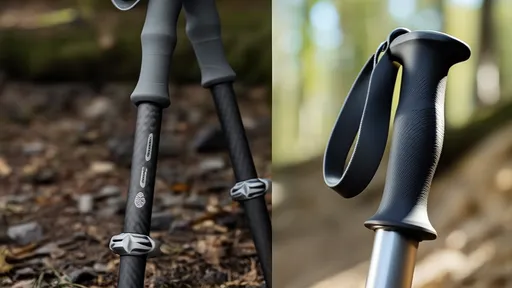
For outdoor enthusiasts and seasoned hikers alike, the choice between carbon fiber and aluminum trekking poles often sparks heated debates. These two materials dominate the market, each boasting unique characteristics that cater to different terrains, budgets, and personal preferences. The decision ultimately hinges on understanding how these materials perform under real-world conditions, from rocky mountain trails to multi-day backpacking expeditions.
The Weight Dilemma
Carbon fiber poles immediately stand out for their featherlight properties, often weighing 30-40% less than their aluminum counterparts. This weight difference becomes profoundly noticeable during extended hikes where every ounce counts. Marathon trail runners and ultralight backpackers frequently favor carbon fiber for this reason, as reduced arm fatigue translates to better endurance over long distances. However, this lightness comes at a cost – both literally in terms of price and metaphorically in durability concerns when facing rough treatment.
Aluminum poles, while heavier, provide a reassuring heft that many hikers appreciate. The additional weight contributes to better stability when planting poles on unstable surfaces, creating a more rhythmic hiking cadence. Those who prioritize a sturdy feel over absolute lightness often find aluminum poles more satisfying to use, especially when carrying heavy packs where the poles partially bear weight during steep descents.
Vibration Dampening and Trail Feedback
Material composition dramatically affects how trekking poles transmit vibrations from the ground to your hands. Carbon fiber's natural vibration dampening creates a noticeably smoother experience, particularly on rocky terrain where aluminum poles might send unpleasant shocks up the arms. This characteristic makes carbon fiber preferable for hikers with joint concerns or those covering technical trails where constant impact could lead to fatigue.
Conversely, aluminum's vibration transmission provides valuable tactile feedback about the ground surface. Many experienced mountaineers actually prefer this quality, as it allows them to "read" the terrain through their poles – an advantage when navigating loose scree or judging ice conditions. The direct feedback helps with precise pole placement in challenging environments where subtle clues about surface stability matter.
Cold Weather Performance
Temperature extremes reveal another layer of differentiation between these materials. Aluminum poles become uncomfortably cold to handle in freezing conditions, often requiring insulated grips or special gloves for winter use. The metal's excellent thermal conductivity, while great for cooking pots, becomes a drawback when bare hands meet frozen pole shafts during alpine ascents.
Carbon fiber maintains a more neutral temperature in cold environments, making it the preferred choice for ice climbers and winter hikers. This thermal inertia prevents the shocking cold transfer that metal poles exhibit, though it's worth noting that neither material becomes dangerously cold – the difference lies in comfort rather than safety considerations.
Durability Under Stress
The durability discussion often centers around misconceptions. Aluminum poles typically bend under extreme stress, which might seem like a failure until considering the alternative. Carbon fiber poles tend to fail catastrophically – they don't bend, they snap. In backcountry situations, a bent aluminum pole can often be straightened sufficiently to remain functional, while a shattered carbon fiber pole becomes trail litter.
That said, modern carbon fiber construction has made tremendous strides in impact resistance. High-quality carbon poles now incorporate sophisticated layering techniques that distribute stress more effectively. The durability gap narrows when comparing premium models from reputable brands, though aluminum still holds an edge for abuse tolerance in rock-scrambling situations or when used to set up trekking pole tents.
Economic and Environmental Considerations
Budget-conscious hikers will find aluminum poles significantly more affordable, often costing half the price of comparable carbon fiber models. This price difference allows beginners to experiment with trekking poles without major investment, or experienced hikers to maintain multiple sets for different purposes. The lower cost also makes aluminum poles more suitable for loaner gear or situations where poles might get damaged through rough use.
From an environmental standpoint, both materials present complex lifecycle challenges. Aluminum production requires tremendous energy but offers excellent recyclability. Carbon fiber manufacturing involves petroleum products and currently lacks widespread recycling infrastructure, though its longevity (when not broken) can offset some environmental impact. Eco-conscious hikers might prioritize durability over material type, as keeping any gear in service longer reduces overall environmental footprint.
Specialized Applications
Certain activities strongly favor one material over the other. Fastpacking and trail running universally prefer carbon fiber for its weight savings and vibration reduction during repetitive motion. Glacier travel and mountaineering often lean toward aluminum for its reliability in crevass rescue scenarios and better performance with snow baskets. Through-hikers walking long trails like the Pacific Crest Trail frequently choose aluminum for its field-repairability and lower replacement cost when gear wears out.
The choice between carbon fiber and aluminum trekking poles ultimately reflects personal hiking philosophy as much as technical specifications. Those who prioritize speed and efficiency typically gravitate toward carbon fiber's advanced material science, while traditionalists and rough-terrain specialists often prefer aluminum's predictable behavior under stress. Modern manufacturing continues to blur the lines between these materials, making today's high-end poles from either category far superior to options available just a decade ago.
By /Jul 25, 2025
By /Jul 25, 2025

By /Jul 25, 2025

By /Jul 25, 2025

By /Jul 25, 2025

By /Jul 25, 2025

By /Jul 25, 2025

By /Jul 25, 2025

By /Jul 25, 2025
By /Jul 25, 2025

By /Jul 25, 2025

By /Jul 25, 2025

By /Jul 25, 2025

By /Jul 25, 2025
By /Jul 25, 2025

By /Jul 25, 2025

By /Jul 25, 2025
By /Jul 25, 2025

By /Jul 25, 2025
By /Jul 25, 2025